

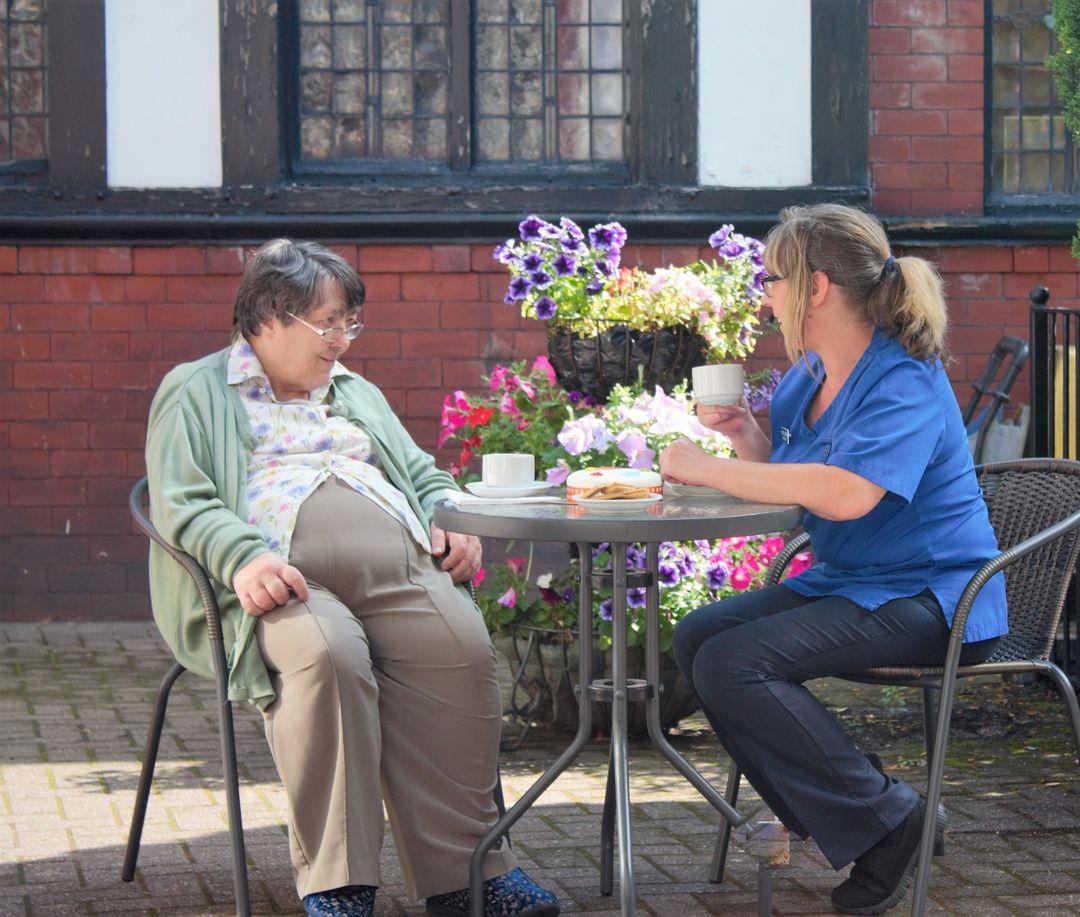
Caring for a loved one is one of the most meaningful things you can do, but it is also one of the most demanding. Many family carers reach a point of complete exhaustion long before they admit it, often because stopping feels like letting someone down. Respite care exists precisely for this reason: to give carers permission to rest, without guilt, and without it meaning anything has gone wrong.
What is Respite Care?
Respite care is short-term, temporary care for someone who is normally looked after by a family member at home. It can last anywhere from a few days to a few weeks, and it gives the primary carer a genuine break while their loved one continues to receive proper, professional support.
Respite stays can be planned well in advance, for a holiday or a family event, or arranged more urgently if a carer becomes unwell or simply reaches breaking point. Either way, the goal is the same: nobody has to manage everything alone all the time.
Why Family Carers Need a Break
Caring is physically and emotionally demanding in ways that are easy to underestimate from the outside. Broken sleep, constant vigilance, and the emotional weight of watching someone you love struggle all take a real toll over time.
Carer burnout is common, and it rarely announces itself clearly. It tends to show up as:
- Persistent tiredness that doesn't improve with a normal night's sleep
- Increasing irritability or feeling emotionally flat
- Neglecting your own health, appointments or basic needs
- A creeping sense of resentment, even towards someone you love deeply
- Withdrawing from friends, hobbies or anything outside of caregiving
None of these are signs of failure. They are signs that the body and mind need rest, just as they would after any other sustained physical or emotional strain.
The Benefits of Respite Care
A short break through respite care benefits everyone involved, not just the carer.
For the carer, it offers a genuine chance to rest, reconnect with other parts of life, attend to their own health, or simply sleep properly for a few nights in a row. Many carers tell us they didn't realise how depleted they had become until they had a few days without the constant responsibility.
For the person receiving care, a respite stay often brings welcome variety: new surroundings, new company, structured activities and social interaction that can be harder to access at home. Many residents enjoy their stay far more than families expect, and some ask to return again.
For the wider family, respite care can ease tension that builds up when one person carries most of the caregiving load. It creates space for everyone to reset.
When Should You Consider Respite Care?
You do not need to wait until you are at your limit. Some of the most common reasons families arrange respite care include:
- A planned holiday or time away
- Recovery from your own illness, surgery or injury
- A family event such as a wedding
- Simply needing a period of rest before continuing as the primary carer
- Testing whether a care home environment might suit your loved one longer term
If you are unsure whether ongoing residential care might eventually be the right path, a respite stay can be a low-pressure way to see how your loved one settles, without committing to anything permanent.
What to Expect During a Respite Stay
A good respite stay should feel like a proper transition, not just a holding pattern. At Abafields, residents on a respite stay receive the same quality of care, the same attention to routine, and the same warmth as our permanent residents. Families are kept informed throughout, and there is no pressure to decide anything about the future during the stay itself.
If you are exploring your options for the first time, our guide on how to choose a care home in Bolton can help you think through what matters most, whether you are looking for a short respite break or considering care more permanently.
Giving Yourself Permission to Rest
If you are a family carer reading this and recognising some of your own exhaustion in it, take that as your sign. Asking for help is not a failure of love. It is often what allows you to keep loving well, for longer.
Get in touch to talk through respite care options at Abafields care home in Bolton. There is no obligation, just an honest conversation about what might help.

Victor Phiri
Home Manager

