

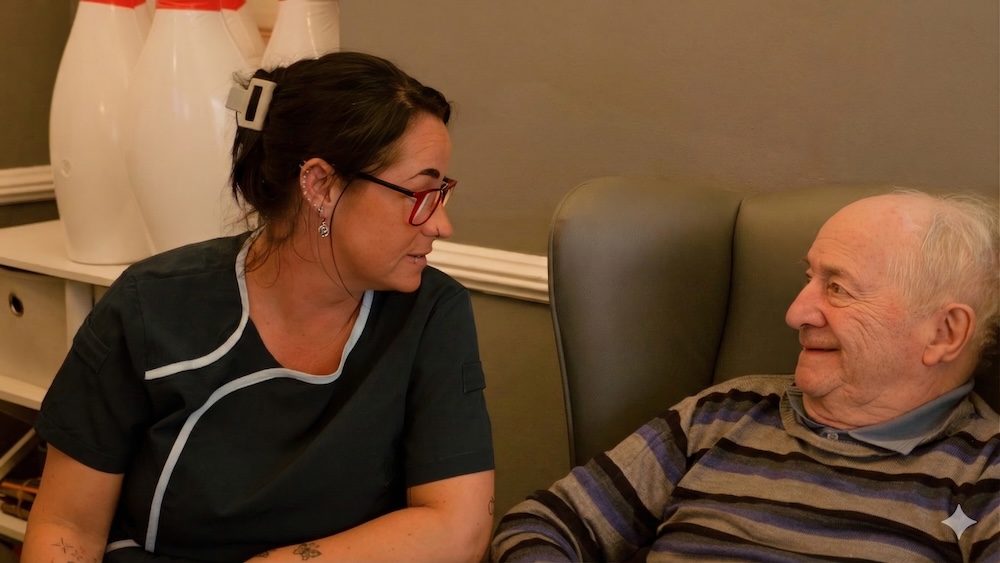
Infections spread more easily in a care home than in most other places. Residents are older, many have long-term health conditions, and people live close together and need hands-on personal care every day. That is why infection prevention is built into every shift at Abafields, not saved for outbreaks.
The core measures that stop infections spreading
- Hand hygiene, every time. Staff clean their hands before and after contact with each resident, before handling food and after any task involving bodily fluids. Soap and water is used when hands are visibly dirty and during any vomiting or diarrhoea illness, because alcohol gel does not kill norovirus.
- Standard infection control precautions. National guidance expects all care workers to follow standard precautions with every resident, whether or not an infection is known to be present. That includes the correct use of gloves and aprons, safe handling of sharps and waste, and safe management of care equipment.
- Thorough cleaning. Shared surfaces such as handrails, door handles, call bells and dining tables are cleaned on a set schedule and more often when there is illness in the home. Bathrooms and equipment are cleaned between each use.
- Safe laundry and waste. Soiled linen and clothing is bagged at the point of use and washed at the right temperature, and clinical waste is kept separate from general waste.
- Safe food handling. Kitchen staff follow food hygiene rules for storage, preparation and temperature control, and residents are supported to wash their hands before meals.
- Vaccination. Residents in care homes are usually eligible for the seasonal flu and COVID-19 vaccines each autumn, and we help arrange them. Staff are encouraged to be vaccinated too, which protects the people they care for.
- Healthy staff. Anyone with vomiting, diarrhoea or a fever stays off work until they are well enough to return, and all staff receive regular infection control training.
- Spotting infections early. In older people, infections do not always show up as a fever or cough. A urinary tract infection, for example, can first appear as new confusion, drowsiness or a change in behaviour. Staff are trained to notice these changes and pass them on so the GP can be involved quickly.
Why older people are more at risk
- The immune system weakens with age, so infections can take hold faster and last longer
- Long-term conditions such as diabetes, heart disease and lung disease reduce the body's ability to fight infection
- Reduced mobility and continence problems raise the risk of urinary and skin infections
- Residents with dementia may not be able to tell staff that they feel unwell, which makes careful observation even more important in dementia care
What happens if there is an outbreak
Even the best prevention cannot stop every infection, so every care home needs a plan for when one spreads. If several residents or staff develop similar symptoms, we:
- Care for unwell residents in their own rooms where possible, to limit contact with others
- Increase cleaning and use extra protective equipment
- Contact the GP, and notify the local UK Health Security Agency health protection team where required, for advice and testing
- Tell families what is happening and what it means for visiting
Visiting may need to change during an outbreak, but we aim to keep visits going safely wherever we can, because time with family matters to residents' wellbeing. UKHSA publishes guidance on infection prevention and control in adult social care for providers, and care homes are expected to meet the standards set out in the Health and Social Care Act 2008 code of practice on preventing and controlling infection.
How visitors can help
Visitors can make a real difference, and the steps are simple:
- Clean your hands when you arrive and when you leave
- Do not visit if you have a cold, flu, COVID-19 or a stomach bug. If you have had vomiting or diarrhoea, wait at least 48 hours after your symptoms have stopped
- Follow any guidance on the door or from staff during an outbreak
- Keep flowers and gifts clean and dry, and check with staff before bringing in fresh food
- Tell us if you have visited someone else who is unwell
What to ask when choosing a care home
Infection control is one of the clearest signs of a well run home. When you visit, notice whether the home is clean and fresh, whether staff clean their hands between tasks and whether hand sanitiser is easy to find. Ask how the home handles outbreaks and how it keeps families informed. Our list of 15 questions to ask when viewing a care home and our checklist for choosing a care home in Bolton both help you cover this.
If your relative is about to move in, our guide to moving to a care home explains what to prepare, including the health information we need at the start. You can also read about the support we provide in our residential care service.
If you would like to know more about how we protect residents, contact our team and we will go through it with you.

Victor Phiri
Home Manager

